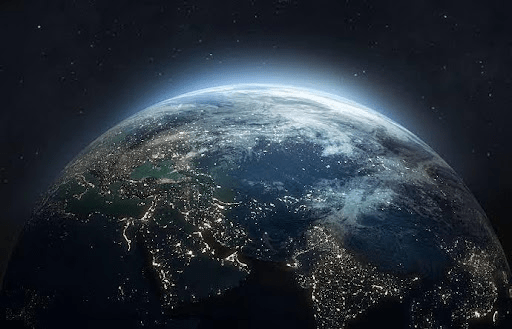
As we said goodbye to 2023, we wanted to take a look back to the year and see what happened around the world!
- Europe
2023 brought significant changes and challenges to Europe in politics, social issues, and economics. In March, the EU imposed its sixth round of sanctions on Russia following the latter’s invasion of Ukraine. The Czech Republic took over the rotating presidency of the EU from France in April, and anti-establishment and right-wing parties gained ground in many European countries in the May European Parliament elections. In June, the European Council agreed to impose a price cap on Russian oil in its eighth round of sanctions against Russia, despite opposition from Hungary and several other Eastern European countries. The new European Commission took office with German politician Ursula von der Leyen at the helm in July.
On the social front, the COVID-19 pandemic continued to impact Europe in 2023, with new variants emerging and several European countries reintroducing mitigation measures such as mask mandates and travel restrictions. Racism and religious intolerance also saw a sharp increase, with incidents of hate speech and hate crimes rising precipitously in several countries. The EU struggled with the ongoing refugee crisis, with thousands of migrants crossing into Europe via various routes, including the Balkan and Turkish routes. Gender inequality and violence against women continued to be a challenge, with several countries introducing new measures to address these issues.

- South America
One of the major events in 2023 was the drought. According to the European observatory Copernicus, the months from June to October were the hottest on record worldwide. Due to climate change, the record droughts caused river levels to fall and other water bodies to dry up across various parts of the world, including the Amazon rainforest. Researchers have found that climate change caused by human activity has made the extreme heatwave seen in South America in August and September at least 100 times more likely.
In Argentina, historically known as a left-leaning country, the far-right Javier Milei won the presidential election. His vision of returning Argentina to a “golden age” drew comparisons to Donald Trump’s “Make America Great Again” slogan. On the other hand, In Brazil, leftist Lula da Silva was re-elected as president after 11 years. So, these two big countries are currently governed by opposing views. In Ecuador, Presidential candidate Fernando Villavicencio, known for his anti-corruption statements, was assassinated two weeks before the elections.
On September 13, the remains of allegedly “non-human” beings were shown to the Mexican Congress. Researchers under oath claimed the mummified remains shown to the Mexican Congress were not part of “human evolution,” while NASA scientists said the remains could not be taken seriously.
In the FIFA World Cup South American Qualifiers, Argentina defeated Brazil 1-0 away from home. For the first time, Brazil, with an impressive record of 51 wins and 13 draws in home World Cup qualifying matches until now, faced defeat.

- North America
In a year of global engagement, Canada flexed its diplomatic muscle by sending military aid to Ukraine, while tensions with China led to the expulsion of a diplomat. Economic shocks hit hard with the second-largest U.S. bank failure, and social issues took center stage with a high-profile police indictment and a landmark conviction.
Media dynamics saw the revival of Donald Trump’s social media presence and a record-breaking defamation settlement involving Fox News. Sports witnessed the end of Tom Brady’s legendary NFL career and the Vegas Golden Knights clinching their first Stanley Cup. Tragedy struck with nationwide strikes and a devastating school shooting.
Internationally, President Biden’s surprise visit to Kyiv highlighted the urgency of the Ukraine crisis, while environmental disasters raised global concerns. Scientific feats included a SpaceX launch, and the Nobel Peace Prize went to an imprisoned Iranian activist.
Social issues sparked debate with new school policies and housing measures aimed at stabilizing real estate. A year of diverse events left a profound impact on the socio-political landscape, shaping narratives globally.

- Australia
Australia continued to grapple with the impacts of climate change, with extreme weather events testing the nation’s resilience. Bushfires, a recurring threat, once again swept through parts of the country. However, thanks to improved firefighting techniques and early warning systems, communities were better prepared, resulting in fewer casualties and less widespread destruction compared to previous years.
Australia achieved major milestones in renewable energy in a significant step towards a more sustainable future. The nation surpassed its targets for solar and wind energy production, showcasing a commitment to reducing carbon emissions. Government initiatives and increased public awareness led to a surge in the adoption of clean energy practices, positioning Australia as a leader in the global transition towards greener alternatives.
The tech landscape in Australia saw remarkable advancements in 2023. The integration of artificial intelligence and automation became more prevalent in various industries, enhancing efficiency and productivity. Smart city initiatives gained traction, with urban centers adopting innovative technologies to improve infrastructure, transportation, and overall quality of life for residents.
Australia witnessed a social reckoning in 2023, with an increased focus on issues such as social justice, equality, and inclusivity. Grassroots movements gained momentum, prompting conversations around systemic issues and the need for positive change. The nation took strides towards building a more inclusive society, fostering dialogue and understanding among diverse communities.

- Asia
According to data released by the United Nations (UN), it was expected that India would surpass China and become the world’s most populous country by the end of June. The UN World Population Prospects Table projects India’s population to reach 1.428 billion, while China is expected to remain at 1.425 billion. In the Himalayas, Ladakh villagers have begun combating climate change with 30-meter ice domes. Thailand has declared a ban on all imports of plastic waste, urging countries to take responsibility for their own plastic rather than shipping it to developing nations. India has announced a $7 billion fund to electrify public transport, deploying thousands of emission-free buses nationwide. Solar power investments have surpassed those in oil for the first time, marking a historic shift towards renewable energy with over $1 billion spent on solar every day. In South Korea, a new law adjusting the traditional age-counting method based on birth dates has resulted in citizens becoming one or two years younger. The law abandons the traditional calculation, assuming individuals are one year old at birth, considering the time spent in the womb.

- Africa
Terrorism, a complex and global issue, remains a top concern for states and international bodies. In Africa, it has become a significant challenge, particularly along the Mali-Niger-Burkina Faso border, where Al Qaeda and ISIS-affiliated groups have carried out devastating attacks. Economic, political, and social challenges have given rise to continent-specific and global terrorist groups in Africa. Nigeria, notably affected by Boko Haram, stands out due to the group’s actions against women and girls, contributing to its global notoriety. Despite military coups, the threat of terrorism persists in the region.
What is cholera disease? Cholera usually occurs in places with dirty water and inadequate personal hygiene when Vibrio cholera bacteria contaminate drinks and food. Cholera, a serious disease that spreads rapidly, causes severe diarrhea and dehydration in patients and can result in death. The cholera epidemic has reached a major level in 11 African countries. Malawi and Mozambique are among the countries most affected by the epidemic.
Also, this year, Zandile Ndhlovu, South Africa’s first black female freediving instructor, ocean explorer, storyteller, and filmmaker, wants to make access to the ocean possible for different segments of society who don’t have access. Zandile founded The Black Mermaid Foundation, which introduces young people and communities to the ocean to help different segments of society use the ocean for recreational, professional, and sporting purposes. Zandile also uses her skills to help a new generation learn about ocean pollution and rising sea levels and help protect their environment He uses it to help the Ocean Guardians who aim to train.
Gladys Kalema-Zikusoka, an award-winning Ugandan veterinarian and environmentalist who is also one of Africa’s pioneer women, works to save habitats and endangered mountain gorillas due to climate change. Founder and CEO of Conservation Through Public Health, a nonprofit that promotes biodiversity conservation by enabling humans, gorillas, and other wildlife to coexist while improving their health and habitat. Zizusoka helped increase the number of mountain gorillas from 300 to nearly 500 in three decades. Thus, gorillas moved from the ‘critically endangered’ category to the ‘endangered’ category. At the same time, Kalema-Zikusoka received the ‘Earth Champion’ award from the United Nations Environment Program in 2021.

- Antarctica.
Antarctica, long recognized for its pristine and untouched landscapes, saw an economic shift as nations engaged in collaborative efforts to explore its untapped resources. While the Antarctic Treaty System prohibits military activity and mineral mining, sustainable initiatives gained traction. The rise of eco-tourism and research collaborations led to a burgeoning economy, balancing economic development and environmental preservation.
The continent witnessed groundbreaking scientific discoveries, with researchers uncovering ancient fossils and evidence of prehistoric life beneath the icy surface. International collaborations flourished, with scientists from various nations pooling resources to establish state-of-the-art research facilities. Advances in climate science and glaciology contributed to a deeper understanding of global environmental changes, emphasizing the interconnectedness of Antarctica with the rest of the planet.
Antarctica, often considered a barometer for climate change, became a focal point for environmental activism. Conservation efforts intensified, with nations pledging to protect the delicate ecosystems and wildlife unique to the region. The push for sustainable practices extended beyond research stations, with measures implemented to reduce human impact and carbon footprints.
The human presence in Antarctica expanded, with a growing number of international researchers and support staff participating in collaborative projects. Educational programs fostering awareness about Antarctica’s importance gained popularity worldwide, cultivating a sense of global responsibility for preserving this pristine wilderness.

Europe Uygar & Yağız Africa Melek & Efsa Antractica Kıvanç Asia İdil
North America Cansu South America Tuna Australia Yağmur
Edited by İklim


Leave a Reply