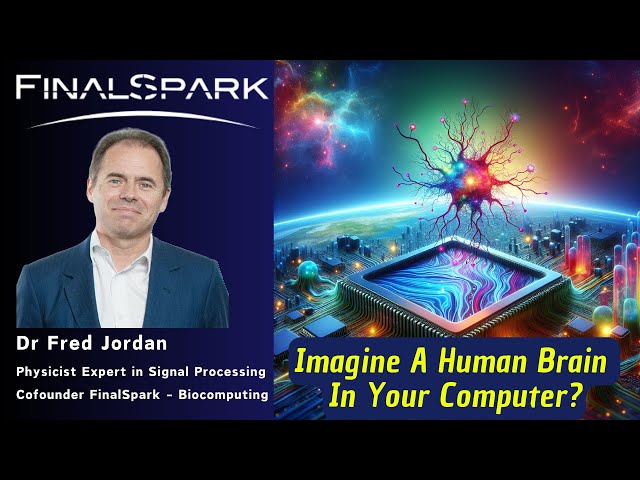
Imagine a computer without a processing unit, powered solely by human brain cells. This concept may sound like something out of a science fiction film, but a Swiss technology company called FinalSpark has realised this system. Clumps of human brain cells, known as “organoids”, are attached to the computers.
The company has launched a service for scientists where they can rent cloud access to bio-computers powered by human brain cells. These systems consume 100,000 times less energy than current systems.
How does it work?
These computer systems work primarily through two factors: Positive reinforcement uses dopamine, and negative reinforcement sends electrical signals to brain cells that can live and compute for up to 100 days to mimic natural neural processes.
What comes next?
Could we see new hybrid beings of humans and robots in the future, a mixture of these computer units and a body? Could these bio-computers also control a human body with electrical signals? These questions form another question;
How ethical is that?
Many might question the ethics of this system: What if the cells start thinking for themselves? Would that make them human, or could they turn against us, like in the films? As we continue to explore the potential of organoid computers, we must also consider the ethical challenges that arise when biology and technology merge.
Written by YD Kasifoğlu
Source
Home
 Yeni Yol News
Leave a comment