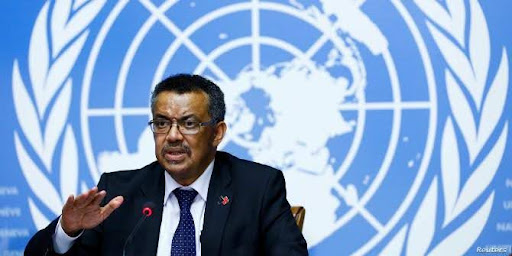
Are we ready to lose our sovereignty and autonomy to Dr T. A Ghebreyesus ?
In a world grappling with the consequences of the COVID-19 pandemic, discussions that could reshape the future of global health policy are taking place in the corridors of power. Behind closed doors, the World Health Organisation (WHO) is leading negotiations on a new pandemic treaty and changes to international health regulations. But what lies beneath the surface of these secretive deliberations?
At the Conference on Health and Democracy, held at the European Parliament in Strasbourg on 13 September 2023, Philip Krauss, a legal expert challenging the European Parliament, lifted the veil on these secret negotiations. His revelations shed light on a disturbing reality: a concerted effort by the WHO to consolidate power and control under the guise of pandemic prevention and control.
Krauss’ speech was a wake-up call for citizens and policy makers alike. He painted a picture of a reform process initiated by the WHO in the wake of the COVID-19 crisis, ostensibly aimed at improving global health security. However, as Krauss meticulously dissected the details of the proposed treaty and regulatory changes, a darker truth came to light.
At the centre of Krauss’ investigation is the lack of transparency in the negotiation process. Despite the profound impact on the sovereignty and rights of individuals and nations, the WHO’s reform efforts remained shrouded in secrecy. Behind the guise of protecting public health lies a disturbing erosion of democratic principles and informed consent.
The proposed treaty and regulatory changes give the WHO sweeping powers, including the power to impose restrictions, enforce lockdowns and order experimental treatments. Such unchecked authority, Krauss warns, could pave the way for unprecedented encroachments on human rights and civil liberties.
Of particular concern are the provisions that remove mechanisms to challenge WHO decisions and circumvent democratic scrutiny. Without safeguards, WHO declarations on public health emergencies could become uncontrolled mandates that undermine the foundations of democracy.
Krauss’ investigation serves as a call to action. He urges citizens to scrutinise the draft treaties and hold their representatives accountable, and emphasises the urgency of stopping these negotiations before it is too late. The future of global health is at stake, and the time for scrutiny and public debate is now.

With governments around the world poised to rubber-stamp these far-reaching changes, the need for public awareness and popular mobilisation has never been greater. The fate of our health, our rights and our freedoms are at stake. It is time to shine a light on the dark corridors of power and demand accountability from those entrusted with our well-being.
 Yeni Yol News
Leave a comment