As the world continues to struggle with the aftermath of the COVID-19 pandemic, another worrying infection is making headlines, this time in Japan. Streptococcal Toxic Shock Syndrome (STSS), also known as flesh-eating disease, has been spreading at an alarming rate, causing concern among health authorities and the public alike. But what exactly is STSS, and should you be worried? Let’s take a look at what we know so far:
The nature of the infection: STSS is a rare but dangerous bacterial infection caused by Group A Streptococcus. With a mortality rate of 30%, it poses a serious threat to those affected.
Rapid spread: Highly virulent strains of the bacterium have been discovered in Japan, leading to a record number of cases. The infection is spreading at an unprecedented rate, causing concern among experts.
Unknown factors: Despite the efforts of health authorities, there are still several unknown factors for the severe and sudden forms of streptococcal infections. The exact cause of the rise in cases remains mysterious.

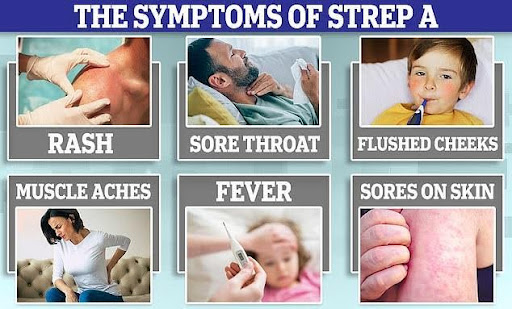
Symptoms and transmission: Symptoms of STSS include sore throat, skin infections and, in rare cases, low blood pressure and organ failure. Similar to COVID-19, STSS is transmitted through droplets and physical contact, emphasising the importance of proper hygiene and wound care.
Preventive measures: To reduce the risk of STSS, sufferers are advised to wash their hands frequently, take prescribed antibiotics when needed and practise good wound care. However, the exact reason for the recent increase in infections remains unknown, adding to the mystery surrounding the spread of the disease.
While health officials continue to investigate the causes of the STSS outbreak, it is important for the public to remain vigilant and take preventative measures to protect themselves and others. With proper awareness and adherence to hygiene protocols, together we can combat the spread of this dangerous infection.
Sources
 Yeni Yol News
Leave a comment