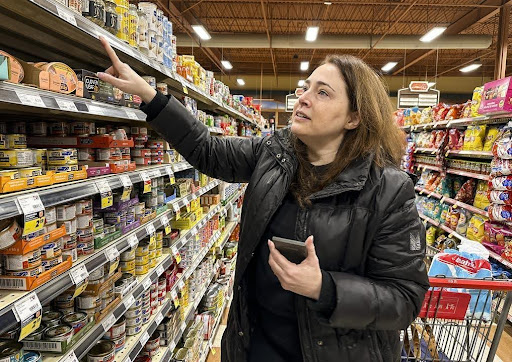
The nightmare of shrinkage: a consumer’s dilemma
In grocery shop aisles across America, a phenomenon is taking shape — a silent but powerful byproduct of inflation known as shrinkflation. As consumers browse the shelves, they are confronted with an abundance of choices, but the sizes of their favourite products are shrinking before their eyes.
From cereal boxes to chip bags to detergent containers, the shrinking trend is obvious. The price remains the same, but the amount inside has become smaller. Many people are frustrated because they have to pay the same amount for fewer products.
Even President Biden has spoken out on the issue, calling the shrinkage a rip-off. Food prices have skyrocketed, especially grocery prices by more than 1% and by an incredible 25% since 2020. A recent report has shown that shrinkage is most prevalent in paper products and snacks, indicating a widespread practise in the industry.
However, while companies cite rising costs as justification for shrinkage, consumers feel penalised. The question that arises is: should companies pass on all costs to consumers or is there room for equitable solutions?
Consumer advocate Edgar believes that shrinkage is thriving amid price pressures as companies cope with a difficult economic situation. Although there are signs of some easing as forecasts point to a slight fall in food prices, the general trend of shrinkage continues.

For American consumers, dealing with higher prices and smaller products is a bitter pill to swallow. But amid the frustration, there are strategies to mitigate the impact. By focusing on unit prices rather than total cost, consumers can make more informed purchasing decisions. In addition, seeking alternative products or brands can offer better value for money.
Ultimately, the power lies in the hands of the consumer. As they vote with their wallets, they are sending a clear message to businesses about their expectations and preferences. In the dynamic landscape of the free market, consumer choice remains a powerful force for change.
In the face of shrinkage, consumers must navigate the changing tides of the food market with vigilance and savvy. By staying informed and empowered, they can assert their preferences and demand transparency from companies seeking to meet the challenges of inflation.
 Yeni Yol News
Leave a comment