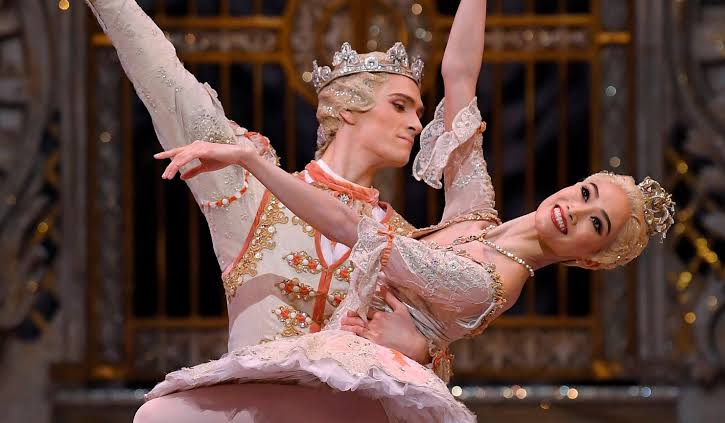
Ballet, a timeless art form known for its grace and beauty, has a rich history that dates back to the Italian Renaissance in the 15th century. Its origins can be traced to the lavish court spectacles of the time, where dancers would perform intricate steps and poses.
“Ballet” is derived from the Italian word “balletto,” which means “a dance”. During the reign of Louis XIV, ballet became an integral part of French culture and courtly entertainment.
In the 18th century, ballet underwent significant developments. Ballet d’action, a more dramatic and expressive style, emerged, with Jean-Georges Noverre as a prominent figure. The era also saw the rise of famous ballets like “Giselle” and “Swan Lake.”
The 19th century was a golden age for ballet, marked by the contributions of choreographers like Marius Petipa. Iconic ballets like “The Nutcracker” and “The Sleeping Beauty” were created during this time. Russian ballet, in particular, gained international recognition.
Today, ballet continues to evolve, with choreographers and dancers exploring new forms and pushing artistic boundaries. It remains a beloved and enduring art form that captivates audiences worldwide with its exquisite movements and storytelling.
Written by Nil (Guest Writer) Edited by İklim
 Yeni Yol News
Leave a comment